
Naturally expressive
Brown diamonds are among the most naturally expressive diamonds found on Earth. Their colour is not added, treated, or enhanced. It is created during the diamond's formation itself.
The beauty of a brown diamond begins long before it reaches the surface. Hidden within every shade is a story millions of years in the making.
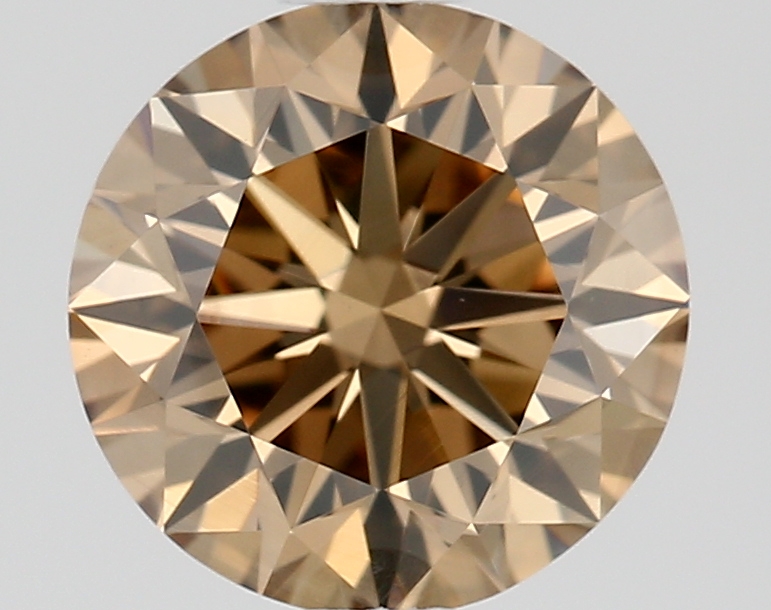
Brown diamonds are among the most naturally expressive diamonds found on Earth. Their colour is not added, treated, or enhanced. It is created during the diamond's formation itself.
Beneath the Earth's surface, immense pressure subtly alters the crystal structure of a diamond through a process known as plastic deformation. These microscopic distortions alongside trace amounts of nitrogen affect how light travels through the stone. This unique interaction produces the warm spectrum of brown hues found in each stone.
Some diamonds appear soft and golden, while others display rich amber and cognac hues. No two stones are ever exactly alike. Therefore, every brown diamond is a record of the forces that shaped it over millions of years.
The modern brown diamond industry was transformed by a single discovery in the remote East Kimberley region of Western Australia. What followed redefined how the world viewed brown diamonds.
For decades, the Argyle Mine produced majority of the world's brown diamonds and played a significant role in shaping the global market for them. Interestingly, the very same mine was also home to most of the world's pink diamonds.
Argyle introduced the terminology and colour classifications that helped define the brown diamond market. Its C1-C8 grading scale established a common language for describing brown diamonds and remains widely recognised throughout the industry even today.
When the Argyle Mine closed permanently in 2020, it marked the end of an important chapter in brown diamond history.
Every shade is a reflection of nature's artistry. Tap a diamond below to discover what makes it unique.
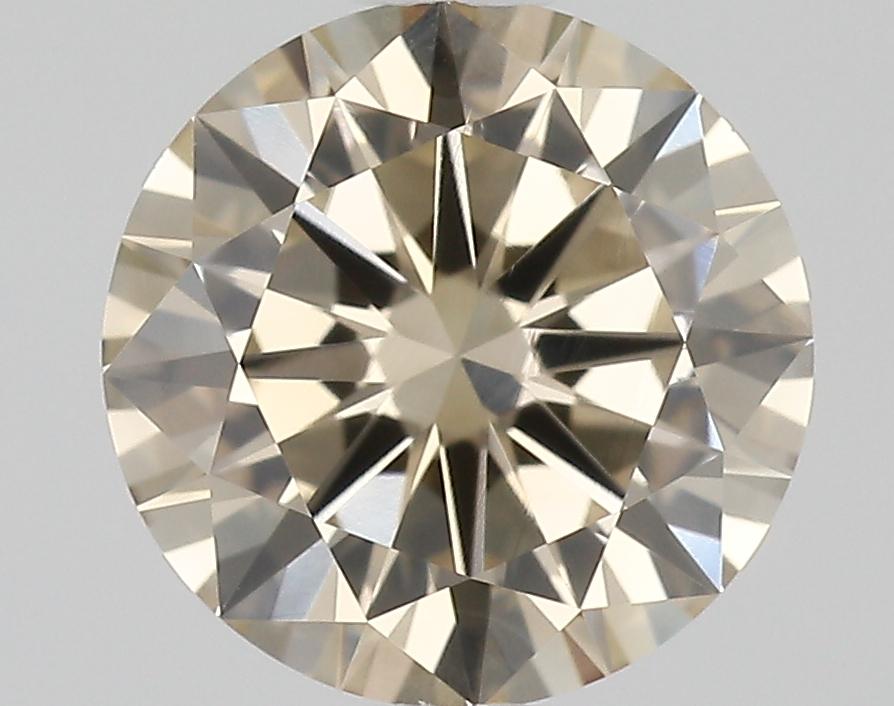
Brown diamonds have appeared in jewellery throughout history, but appreciation for their natural colour and individuality has grown significantly over the past few decades.
Today, collectors, designers, and consumers are increasingly drawn to diamonds with character and distinction. Every stone carries subtle variations in tone, depth, and expression, making each one entirely unique. Together, they represent one of nature's most diverse and captivating colour stories.
The beauty of the spectrum lies in the story it preserves.
Discover the world of natural brown diamonds, available in every shade from C1 to C8